Modern Harvest
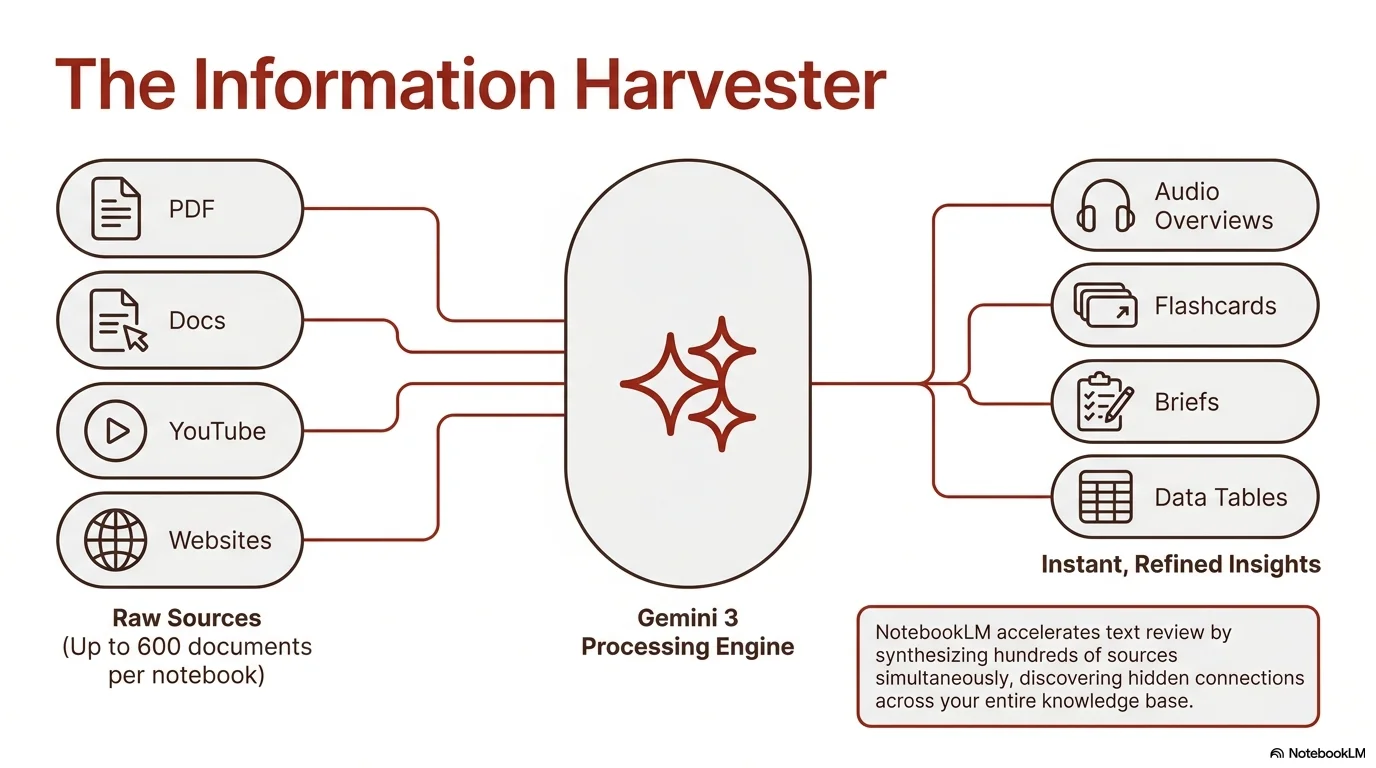
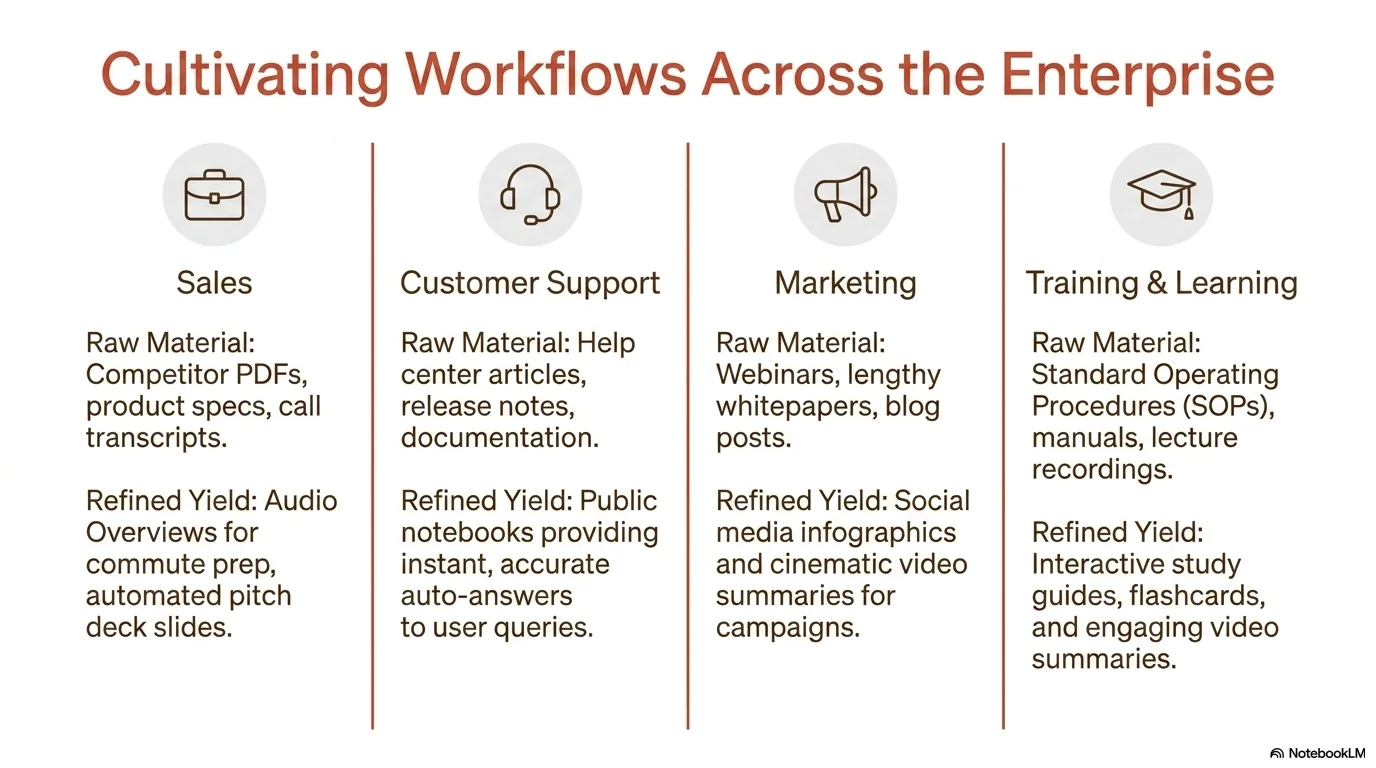
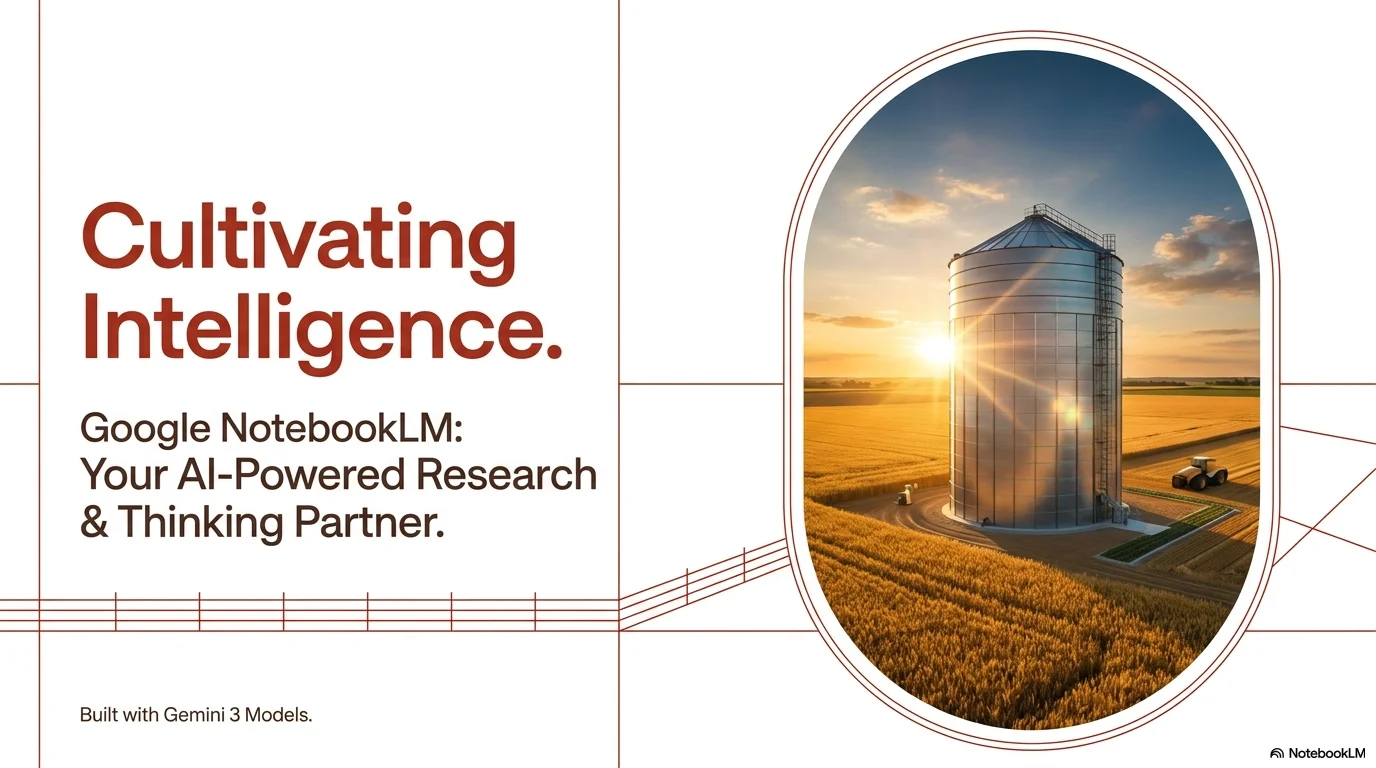
A premium and innovation-focused aesthetic for modern agriculture. It uses the friendly and geometric Garet typeface to present data-driven solutions. Characterized by a clean white background with sophisticated terracotta and deep earth tones, it features ultra-rounded image containers and high-end rural photography to create a trustworthy, high-tech farming atmosphere.
Palette
- Background
#FFFFFF - Text
#4E342E
Typography
- primary heading
- Garet, sans-serif
- secondary heading
- Garet, medium
- body text
- Garet, regular
Key visual elements
- Ultra-rounded (pill-shaped) image containers and buttons
- Sunset-lit agricultural photography (hay bales, silos, tractors)
- Clean, thin lines to separate sections and data points
- Minimalist iconography for tech-driven farming features
YAML
description: "A premium and innovation-focused aesthetic for modern agriculture. It uses the friendly and geometric Garet typeface to present data-driven solutions. Characterized by a clean white background with sophisticated terracotta and deep earth tones, it features ultra-rounded image containers and high-end rural photography to create a trustworthy, high-tech farming atmosphere."
design_system:
  global_style:
    theme: "Modern Harvest. Sophisticated and high-tech agricultural design for modern rural solutions."
    typography:
      primary_heading: "Garet, sans-serif"
      secondary_heading: "Garet, medium"
      body_text: "Garet, regular"
    color_palette:
      primary: "#8D201A" # Terracotta Red
      secondary: "#4E342E" # Earth Brown
      background: "#FFFFFF" # Pure White
      surface: "#F5F5F5" # Light Gray Surface
      text_main: "#4E342E"
      text_secondary: "#8D201A"
    key_visual_elements:
      - "Ultra-rounded (pill-shaped) image containers and buttons"
      - "Sunset-lit agricultural photography (hay bales, silos, tractors)"
      - "Clean, thin lines to separate sections and data points"
      - "Minimalist iconography for tech-driven farming features"

  image_generation_prompts:
    style_guidelines: "High-end agricultural photography, sunset lighting, terracotta and earth brown accents, ultra-rounded corners, clean and professional pitch deck style, Garet font aesthetic."
    themes:
      - target: "Data Solutions"
        prompt_elements: "A modern grain silo under a warm sunset, terracotta graphic lines, high-tech and premium rural vibe."
      - target: "Harvest Efficiency"
        prompt_elements: "Large hay bales in a golden field, ultra-rounded frame, earth tones, sophisticated agricultural look."

slide_layout_templates:
  - type: "Harvest_Premium_Cover"
    usage: "Large Garet headline on the left with a vertically-oriented pill-shaped photo on the right"
  - type: "Earth_Tone_Roadmap"
    usage: "A clean horizontal timeline with terracotta markers and soil brown labels"
  - type: "Pill_Image_Gallery"
    usage: "A grid of images where each one is enclosed in a pill-shaped container"




Connect & Share